

Energy management for residential districts
Collective energy.Fairly distributed.
Rooftop solar, EV chargers, and heat pumps are rapidly congesting the neighborhood grid. Evogrid intelligently matches local generation with local consumption and allocates the costs transparently across all residents.
480 kW
of solar generation matched locally with 36 EV chargers
14
residential blocks managed without a single local bottleneck
320
apartments benefiting from transparent energy costs
The challenge
Your local grid is the first to hit its limit.
A massive evening peak
Simultaneous demand (charging, cooking, heat pumps) between 5:00 PM and 9:00 PM overloads the low-voltage grid, precisely when solar generation has dropped to zero.
Complex cost allocation
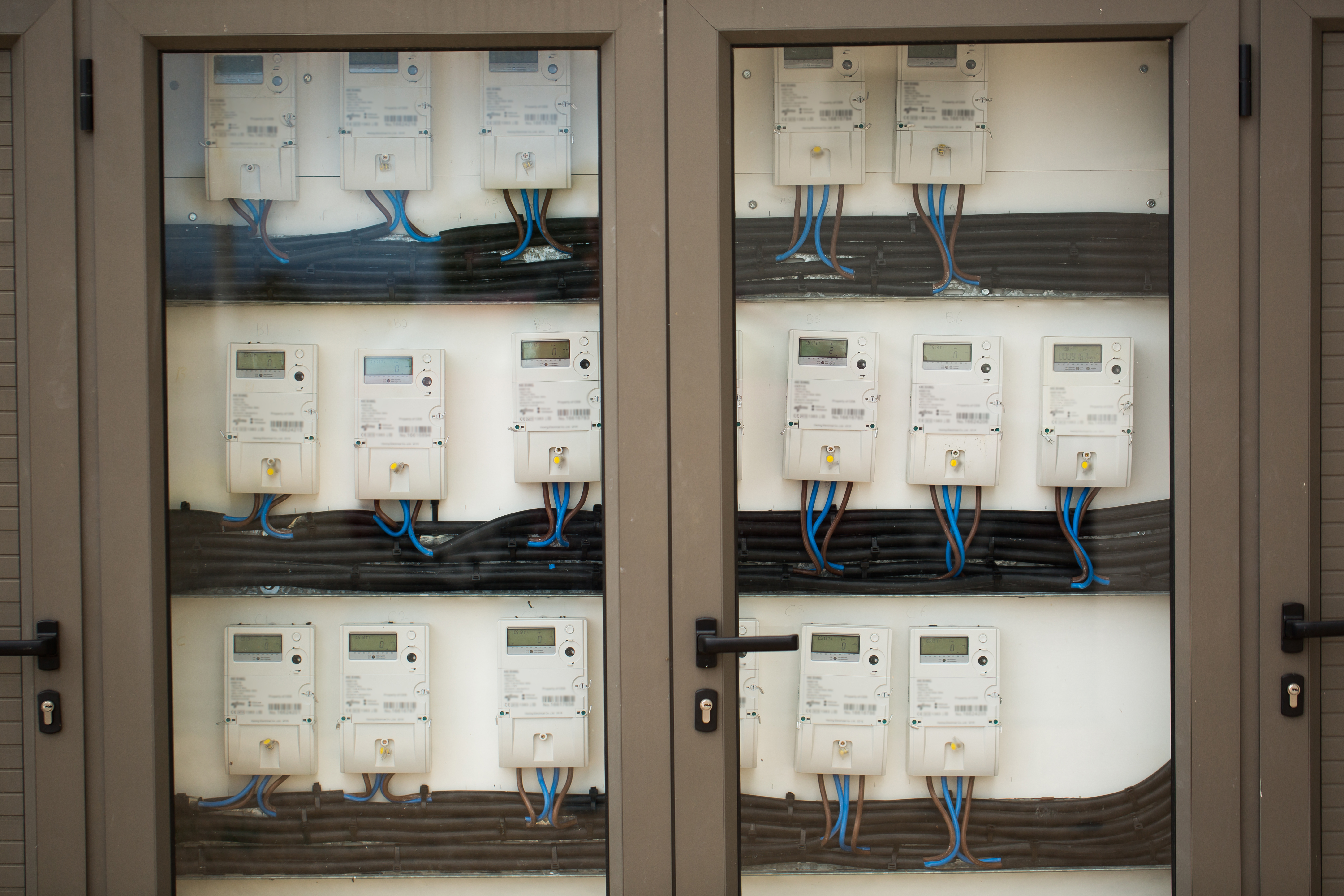
Collective energy installations often lack the metering data to bill consumption to individual residents or users fairly, accurately, and transparently.
Costly imbalance
Generated power flows away unused during the day, while expensive grid power is needed in the evening. As net metering phases out, this mismatch becomes a direct financial cost.

The platform
A single system for the entire district.
Collective generation, storage, and consumption united in one control layer - managed optimally at the district level, settled fairly per resident.
Hardware-agnostic: Evogrid connects seamlessly to both existing and planned installations using open standards.
What Evogrid does
Evogrid for the district: one local, future-proof energy system
One integrated control layer for generation, storage, and consumption - centrally managed at the district level and settled seamlessly and transparently per resident.
Local generation used locally, right away
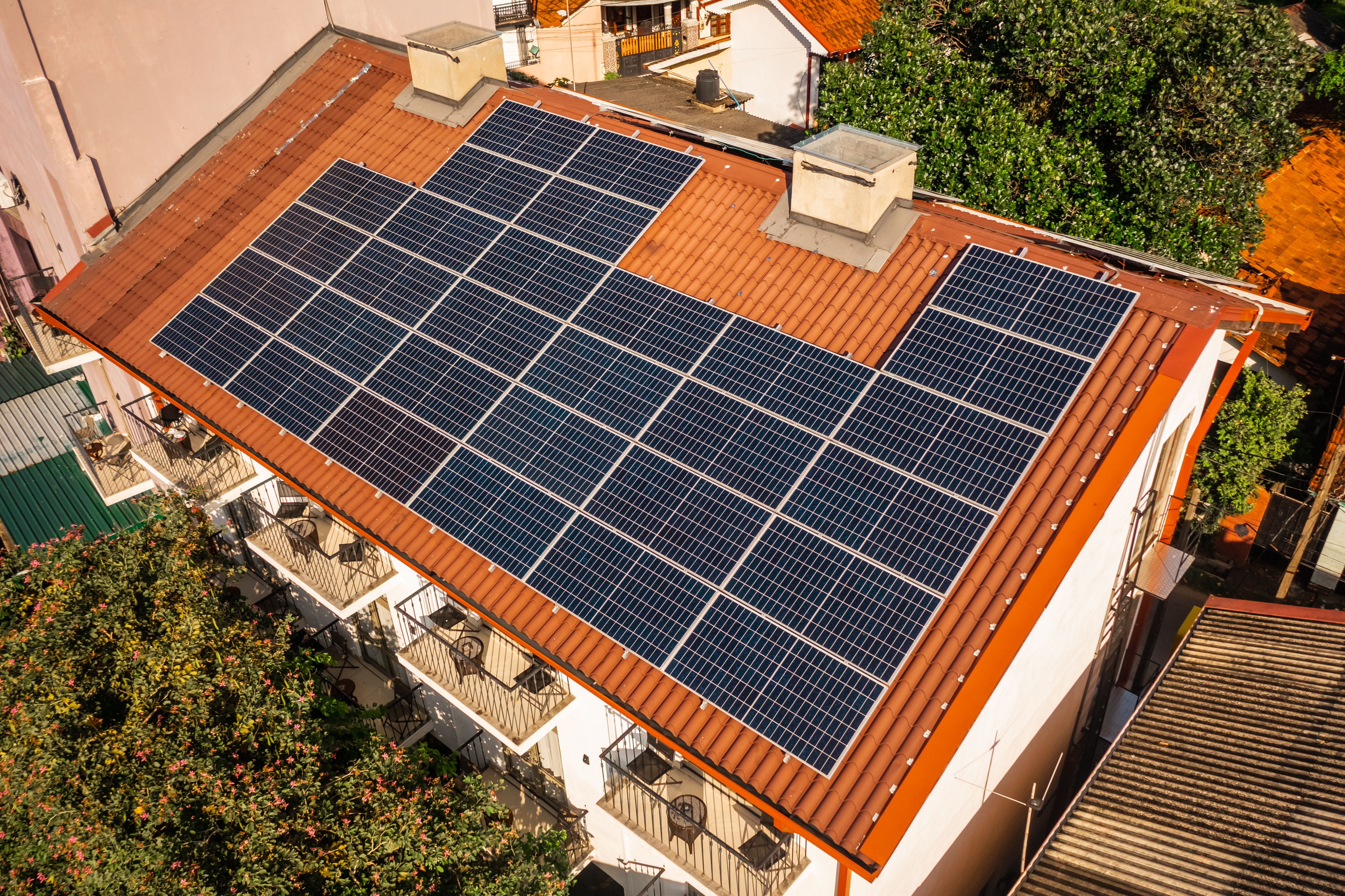
Solar energy from the district is put straight to work for local consumption and the collective charging points. You maximize self-consumption and significantly reduce pressure on the grid.
Proactive congestion monitoring
The platform continuously detects whether combined demand (charging, heat pumps, households) is about to overload the neighborhood grid. Evogrid adjusts automatically, well before the limit is reached.
Automated and fair settlement
Collective consumption, charging transactions, and generation are split flawlessly per building and individual resident. This minimizes admin for managers and gives residents 100% transparency.
Smart control of collective storage
A neighborhood battery stores daytime surplus power for efficient use during the expensive evening peak. The entire process is fully automated and managed safely within the limits of local grid capacity.
Returns beyond the net-metering era
With net metering being phased out (2027), simultaneous self-consumption is crucial. A district that stores and matches power locally sees no downside - instead, it benefits from a lower energy bill.
Operational certainty during outages
Should the data connection unexpectedly drop, every individual installation falls back instantly and seamlessly on its own safe baseline controls. The energy supply is never at risk.
Real-time insight
Complete transparency for everyone.
Transparency is half the value of collective energy. We provide a clear view for both property management and residents.
Consumption per home and facility
Every kWh is accurately measured and allocated. No more guesswork or billing disputes.
Consumption per meter point
kWh, now
Real-time generation vs. consumption
See exactly how much district power is consumed locally versus how much is still drawn from the main grid.
Generation vs. consumption
now · 13:45
Forecast vs. reality
Achieve 97–99% forecast accuracy for solar yield and consumption - ensuring the neighborhood battery is fully primed before the evening peak hits.
Forecast vs. actual
the battery is ready before the evening peak begins
Reporting & regulation
Automated settlement and accountability.
Collective energy systems require flawless bookkeeping. With Evogrid, accurate administration is fully automated.
Fair settlement per resident
Automatically settled based on the exact rules agreed upon by the district - transparent and perfectly balanced every single month.
Settlement per resident
this month · reconciled
Ready for energy sharing
Under the 2026 Dutch Energy Act, residents can legally share generated power. Evogrid handles the complex metering and financial settlement required.
Energy sharing · metered
Energy Act 2026
Roof block A → district
14 kWhNeighborhood battery → district
9 kWhResidents without a roof
23 kWhReporting for subsidies
Project-level meter data is instantly available and formatted for municipal grants, grid operator reports, and the Dutch SCE subsidy scheme.
Reporting export
Avoided CO₂, verified
Prove the neighborhood's sustainability gains with hard, verifiable data.
Avoided CO₂
Every report is generated directly from the same system that manages the district daily.
Why Evogrid
Intelligent energy. Fairly distributed.
Technology is only half the equation for collective energy. The other half is trust: knowing costs are allocated fairly, the district remains powered, and management is effortless.
Fairly settled, automatically
Every kWh is measured and allocated according to the district's own rules. No more complex spreadsheets for the Homeowners' Association (VvE) or endless debates at member meetings.
The neighborhood battery as the district engine
With the new Dutch Energy Act, anyone can operate a neighborhood battery. Evogrid optimizes it for the evening peak, grid capacity, and market trading - unlocking three distinct value streams from a single asset.
Safe during a fault
Every installation can revert to its own local controls. The neighborhood's energy security never relies on a single point of failure.
From design to daily operations
For property developers, we model the district's energy system entirely during the design phase. Once built, that exact same platform takes over daily operations, eliminating any handover gap.
The solutions behind it
Built on the same building blocks as the rest of the platform.
How it works
Prove the concept, then build the solution.
From the initial plan to a live, running district. We follow a proven five-step process, ensuring the business case is crystal clear before ground is broken.
- 01
Business case & simulation
We simulate generation, consumption, and EV charging using real-world district profiles to determine exactly what a neighborhood battery will deliver and where grid bottlenecks will occur.
- 02
Implementation & data collection
We seamlessly integrate solar, storage, charging plazas, and shared facilities - whether existing or new - using open standards.
- 03
Forecasting
Our AI predicts solar yield and consumption with 97–99% accuracy, guaranteeing the battery is ready before the evening peak begins.
- 04
Optimization
Every 5 minutes, power is dynamically redistributed: local generation is consumed locally first, and the evening peak is shaved using the neighborhood battery.
- 05
Control, management & overview
The district runs smoothly; residents don't notice the active control at all - except for a lower, fairer energy bill.
Frequently asked questions
The tough questions first, then the signature.
Collective energy raises collective questions - from residents, board members, and developers. Here are the practical answers you need.
Curious what this deliversfor your district?
We model the solution using your own data to show the precise ROI upfront. The final decision is yours.